Dense vs Light Ice Cream: What the Texture Tells You
By Panjtan Juice · Published 24 October 2026
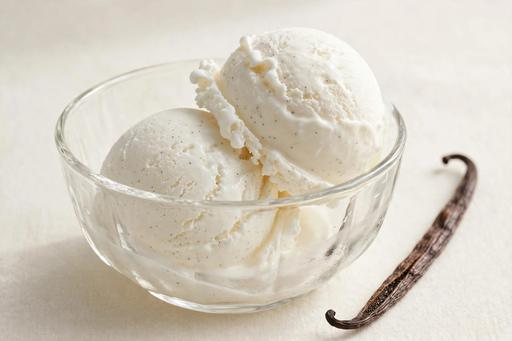
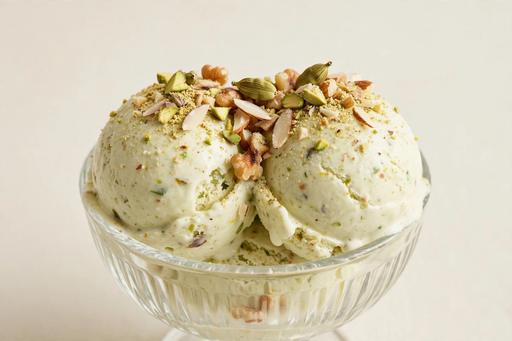
Order two scoops from two different shops and you can feel the difference before you taste it: one is heavy, cold and slow to melt; the other is fluffy and airy. Both are called ice cream, but their textures tell two different stories about how they were made. Here is the honest version we tell customers at our counter — where every flavour on our menu, from strawberry to kulfa badam, goes for the same Rs 200.
The Main Difference Is Air
In the ice cream world, the amount of air whipped into the mix is called "overrun," and it is the single biggest reason one scoop feels dense and another feels light. A dense scoop has very little air beaten in: it sits heavy in the cup, melts slowly and carries flavour in a concentrated way. A light scoop can hold nearly as much air as mix, so it feels soft, melts fast and tastes milder per spoonful.
Neither is automatically good or bad — but if a scoop melts almost instantly into foam, the recipe was carrying less dairy than the price suggested.
What Density Tells You About Ingredients
- Fat and milk solids: dense scoops usually come from recipes with more cream and milk solids, which naturally freeze firmer and taste richer.
- Stabilisers: a light, bouncy scoop that never quite melts often leans on added gums and stabilisers for body instead of dairy. A little stabiliser is normal in commercial ice cream; a scoop that survives the sun is another matter.
- Fruit content: in fruit flavours, a heavy, slightly icy texture can actually be a good sign — real fruit pulp freezes harder than cream, and dense fruit ice cream usually means real fruit was in the mix.
Kulfi and Peshawari: Density as a Tradition
In our part of the world, the dense end of the spectrum is not a factory trick — it is a tradition. Kulfa badam and peshawari ice cream are made the slow way: milk reduced for hours until it thickens, sweetened, flavoured with nuts and cardamom, then set in moulds without any whipping at all. The result is a solid, sliceable block — the densest "ice cream" most Pakistanis will ever eat. When you taste our kulfa badam (Rs 200) or peshawari (Rs 200), you are tasting the extreme dense end of the scale, and that heaviness is exactly the point.
How Freezing Changes the Texture
Density is not only about the recipe — the freezer matters too. Ice cream that is frozen fast at very low temperatures forms tiny ice crystals, which feel smooth on the tongue. Ice cream that freezes slowly, or melts and refreezes during transport, grows large crunchy ice crystals — the grainy, icy texture that makes a scoop feel "off." That is why our half-litre (Rs 500) and 1-litre (Rs 900) parcel packs should go straight into the freezer at home — even the best recipe cannot survive a half-melted car ride. If a scoop tastes icy rather than creamy, blame the cold chain first, not the recipe.
Serving Temperature: The Hidden Variable
Counter secret: the same tub tastes different at different temperatures. Ice cream served rock-hard tastes bland, because cold dulls flavour — give it three to five minutes at room temperature and the flavours wake up. Dense ice creams like kulfi improve with that short wait; light scoops, on the other hand, should be eaten quickly, before the air collapses and they turn to sweet foam.
So Which Should You Order?
It depends on the moment. Want something rich and slow after dinner? Go dense: kulfa badam or peshawari, eaten in unhurried spoonfuls. Want something cold, refreshing and easy on a hot afternoon? A lighter fruit scoop like strawberry, pineapple or mango (Rs 200) does the job — and our fruit flavours lean that way on purpose. Want density with a twist? The fruit jelly ice cream (Rs 350) layers jelly and ice cream for a texture that is part dense, part wobbly, part fun. See our ice cream flavours guide for how each of the nine flavours eats, and the parcel packs size guide if you are taking tubs home for the family.