Falooda Without Noodles Explained: The Glass That Skips the Strands
By Panjtan Juice · Published 20 October 2026
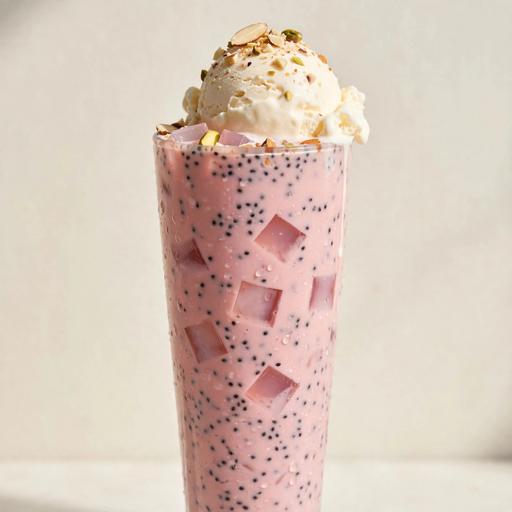
Ask for a falooda almost anywhere in Pakistan and the glass arrives with its famous tangle: fine, silky strands wound through rose milk, basil seeds, jelly and a crown of ice cream. Our Special Falooda (Rs 300) is built exactly that way, and it is loved for it. But sitting right beside it on the menu at Panjtan Juice, Barma Road, Hazara Town, Quetta, is its quieter sibling — the Falooda Without Noodle (Rs 350) — and every week someone asks: if you take the noodles out, what is left? The answer: everything that makes falooda taste like falooda. Here is what fills the glass, how it eats, and why regulars choose it on purpose.
What Leaves the Glass — and What Stays
The strands in a classic falooda are thin, vermicelli-like noodles, boiled soft and chilled before they meet the milk. They bring chew and body, but almost no flavour of their own — remove them, and nothing of the falooda's character leaves. The chilled rose milk stays. The basil seeds — tukh malanga — still arrive soaked and swollen, giving the glass its gentle, slippery texture. The jelly pieces stay, bright and bouncy. And the scoop of ice cream still crowns the glass and melts down through everything below it. Our full falooda guide breaks down every layer of the classic; the without-noodle glass keeps all of those layers except one.
What Changes: Texture, From Chew to Silk
The difference announces itself in the first spoonful. A classic falooda is spoon work and straw work at once: you wind the strands, chase the jelly, sip the milk between bites. Without the strands, the glass becomes smooth from top to bottom — something between a rich dessert drink and a soft, spoonable sundae. The basil seeds take over as the texture-makers, small and gentle rather than chewy. The jelly gives the only real bite, and the melting ice cream thickens the rose milk as you go, so the last third of the glass is the creamiest part. Customers who find the classic busy describe this version in one word: peaceful.
Why the Glass Costs What It Costs
It surprises people that the glass without an ingredient costs Rs 350 while the classic costs Rs 300, until they watch one being built. The space the strands would have occupied does not stay empty; it is taken up by the parts of the falooda that cost the most — a fuller measure of ice cream, a fuller measure of jelly, and rose milk poured to the brim rather than shared with a tangle of noodles. You are not paying for something missing. You are paying for a glass that is, spoon for spoon, more cream and less filler. Plenty of customers order one of each and settle the family debate themselves.
Who Orders It
- Children, who love falooda's flavours but wrestle with long strands — this glass is all spoon and straw, no tangles.
- Elders, who prefer soft textures throughout and still want the full rose-and-ice-cream pleasure of the dessert.
- Drinkers rather than chewers — anyone who wants falooda as a luxurious drink after a meal, not a second course to work through.
- First-timers who find the classic glass a little crowded and want to taste each part clearly before graduating to the full tangle.
How We Build It, Layer by Layer
The order of building matters more here, because there are no strands to hold the glass together. Soaked basil seeds go in first, so they run through every sip instead of sitting in a layer. Jelly follows. The rose milk is poured properly cold — warmth is the enemy of this glass — and the scoop goes on last, at the moment of serving, so it melts through the glass at the table. Like everything at our counter, it is assembled to order, never in advance.
Trying the Idea at Home
The home version is forgiving: chill sweetened rose milk well, soak a spoon of basil seeds until they bloom, add jelly cubes generously, and crown the glass with a scoop of vanilla or kulfa badam ice cream. Do not skip the basil seeds — in this glass they are not decoration, they are the texture. Serve it the moment it is built, and take the first spoonful before the scoop starts its slow collapse.