Milkshake or Fresh Juice: How to Decide What to Order
By Panjtan Juice · Published 24 October 2026
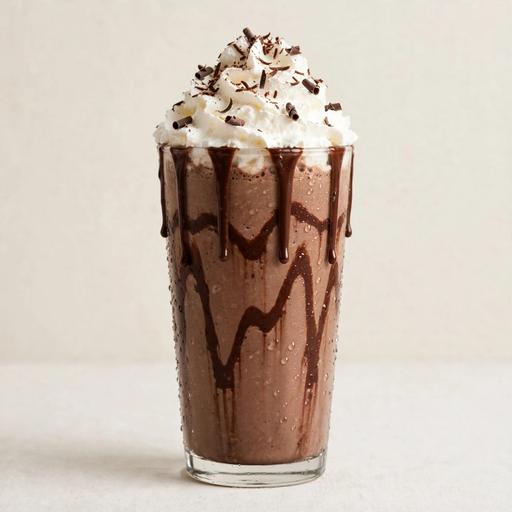
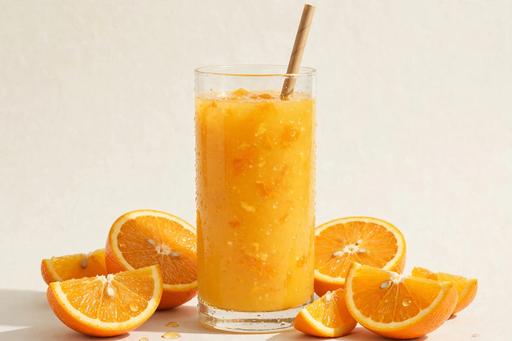
It happens at our counter ten times a day: a customer studies the menu, looks up, and asks, "Milkshake loon ya fresh juice?" Both are good, but they do very different jobs. A fresh juice is the fruit doing all the talking — sharp, clean, over in a few refreshing minutes. A milkshake is the fruit in its evening clothes — creamy, filling, almost a meal. This is not a trick question with a right answer; it is a mood question. Here is how to read the moment and pick the right glass.
The Honest Difference
Fresh juice is pressed or squeezed from fruit and served straight: nothing between you and the flavour. It is lighter on the stomach, quicker to drink, and the one you want when you are thirsty rather than hungry. Milkshakes blend fruit with chilled milk — sometimes with ice cream, sometimes with khajur or dry fruit — into something thicker, richer and far more filling. A banana milkshake at Rs 250 can genuinely replace a snack; an apple juice at Rs 400 refreshes you and leaves you ready for dinner. Neither is "better" in any general sense. The question is always: what do you want the next hour to feel like?
Choose Fresh Juice When…
- You are properly thirsty. After a hot afternoon in Quetta, nothing beats cold-pressed orange (Rs 400) or apple juice (Rs 400) for pure refreshment.
- You want something light. Fresh juices sit lightly — good between meals, or when dinner is an hour away and you do not want to spoil it.
- You love the fruit's real taste. Pomegranate (Rs 500) and carrot (Rs 300) are worth ordering as juice because their pure flavours are the whole point.
- Morning or pre-meal. Fresh juice has a natural place in morning routines and before food, when the stomach wants clean flavours.
Choose a Milkshake When…
- You are hungry, not just thirsty. Mango (Rs 300), strawberry (Rs 300), chocolate (Rs 300) or badam (Rs 300) shakes are proper stomach-fillers.
- It is dessert time. After dinner, milkshakes with ice cream (Rs 350) or an Oreo shake (Rs 350) are the dessert course wearing a straw.
- Kids are involved. Children rarely refuse a banana (Rs 250) or vanilla (Rs 300) shake, and parents approve of the milk inside.
- You want comfort. Winter evenings, rainy afternoons, long days — a warm, creamy Mango Majon (Rs 350) does what cold fruit cannot.
Price, Glass for Glass
There is no hidden verdict in the prices: fresh juices run Rs 300 to Rs 500 (pineapple is on "ask price" because the fruit's cost moves), while most milkshakes sit at Rs 250 to Rs 300, with majon and ice-cream variants at Rs 350. So a banana shake (Rs 250) is genuinely our most filling option at the lowest price — the value-for-money champion of the whole menu, if your wallet is the voter. Fresh juices cost more because they take more fruit per glass: an orange juice is several oranges; nothing else goes in. You pay for the fruit, and you taste it.
The Compromises That Are Not Compromises
Some customers refuse to choose, and the menu has answers for them. The Mango Majon (Rs 350) and our other majon shakes blend fruit, milk, khajur and dry fruit into something richer than juice but more fruit-forward than a plain shake — the in-betweeners love them. A banana khajur shake (Rs 280) gives you fruit energy with milk's softness. And if you simply cannot decide, order a small fresh juice now and a shake after the meal — plenty of regulars do exactly this, and honestly, it is the best order on the menu.
Still Can't Decide? Ask at the Counter
Here is the thing menus cannot do: look at you, see that you have been walking in the sun, and hand you an orange juice before you finish asking. Tell us the situation — "I just finished lunch," "the kids want something sweet," "I am in a hurry" — and we will pick the glass. That back-and-forth is half the pleasure of a real juice shop, and it costs nothing. The only wrong order is the one you did not want.