Milkshake or Smoothie? What's Actually in Your Glass
By Panjtan Juice · Published November 2026
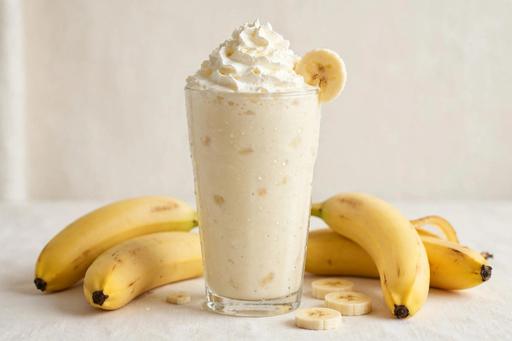
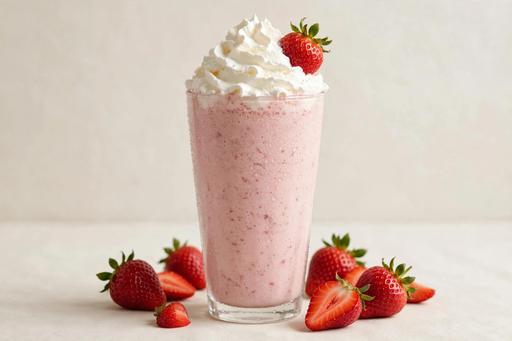
Customers ask us this more often than you would think: is a milkshake the same thing as a smoothie? They come out of similar machines, they are both cold and thick, and they are both made from fruit. But they are different drinks, built for different moods, and knowing the difference will save you from ordering the wrong one. Here is the plain version, from behind our counter.
The Milkshake: Milk, Fruit and Ice Cream's Cousin
A proper milkshake starts with milk and fruit, blended thick, and often finished with ice cream or a scoop of something extra. Our banana milkshake (Rs 250) is milk, banana and ice blended until it is smooth and cold; the strawberry, badam, pista, mango, chiku, chocolate and cold coffee shakes (Rs 300 each) follow the same idea with their own flavour at the centre. The majon shakes and shakes with ice cream (Rs 350) go a step further — richer, denser, almost a dessert you drink. A milkshake is unapologetically a treat: creamy, sweet, filling, and best when you want comfort in a glass.
The Smoothie: Fruit First, Milk Second
A smoothie, by contrast, is fruit first. It is usually blended fruit with a little juice, water or yoghurt, and little or no ice cream. It tends to be lighter, sharper and more obviously fruity — closer to a thick juice than to a dessert. Many of our fresh juices play the same role for customers who want that lighter feeling: a fresh carrot juice (Rs 300) or orange juice (Rs 400) is pure fruit, pressed, not blended, and nothing else is added. If a smoothie-style drink is what you are after, a fresh juice is often the closest thing on our menu — and the most honest version of it.
Thickness Is the Tell
If you are not sure what you have been served, check the thickness. A milkshake coats the straw and the glass; it is slow to drink and it fills you up. A smoothie or fresh juice moves faster and feels lighter, even when it is thick with fruit pulp. That thickness is also why milkshakes take longer to make well: the balance of milk to fruit to ice has to be right, or you get either a flavoured milk or a frozen lump that the straw cannot handle. Our guide to milkshake thickness explains what goes wrong when that balance is off.
Which One Suits Your Moment?
- After a meal, or as an evening treat: a milkshake. It is dessert, and it should be enjoyed as one.
- On a hot afternoon, when you want refreshment: a fresh juice or a light fruit drink — orange, carrot or pomegranate.
- With children: milkshakes usually win; the creamy sweetness is the whole point for them.
- When you want something filling on a busy day: a banana khajur shake (Rs 280) or a khajur shake (Rs 300) — dates and banana make a naturally substantial glass.
- When you want to taste the fruit itself: a fresh juice, pressed to order, with nothing in the way.
The Names Are Flexible — The Ingredients Are Not
Here is the honest catch: many shops use the word smoothie for what is really a milkshake, and some use milkshake for what is really a flavoured milk. So do not order by the label; order by asking what is in it. Does it have ice cream? Is it milk-based or juice-based? Is the fruit fresh or a syrup? A good shop will answer plainly. We would rather you ask and get the drink you actually wanted than leave with a glass that disappoints you for a reason nobody explained.
Our Rule of Thumb
If you want a treat, order a milkshake and enjoy it as one — try the chocolate (Rs 300), the Oreo shake (Rs 350) or a majon (Rs 350). If you want refreshment, order a fresh juice. And if you are torn, our flavour-choosing guide will help you decide in about a minute.