Picking Ripe Fruit Like a Juice Shop: A Market Guide
By Panjtan Juice · Published 28 October 2026
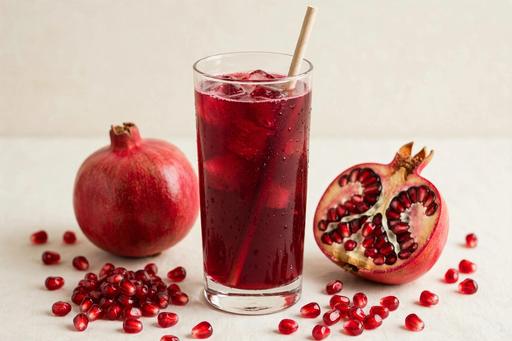
Walk through any fruit market in Quetta and you will see two kinds of buyers. One squeezes everything, sniffs suspiciously, and still goes home with sour fruit. The other barely looks, chats with the vendor, and leaves with a bag that tastes perfect. The difference is not luck — it is a small set of tests, learned by handling fruit every day. At a juice shop we buy fruit by the crate, so a bad batch costs us real money, and over time we have learned to judge fruit quickly and reliably. Here is how, fruit by fruit.
The Three Tests That Work on Almost Everything
Before the individual fruits, three tests cover most of what you need. First, weight: pick up two fruits of similar size — the heavier one is almost always juicier, because juice is heavy and dry pulp is light. Second, smell: ripe fruit smells like itself, only stronger, especially at the stem end; no smell usually means not ready, and a sour or fermented smell means past it. Third, gentle pressure with the whole palm, never fingertips: a ripe fruit gives slightly and springs back, a hard one is days away, and one that stays dented is overripe. Our mango guide explains the squeeze test in detail, and our seasonal fruit calendar tells you when each fruit is at its peak here.
Apples, Pomegranates and Oranges
Apples should feel firm and heavy, with smooth, tight skin — a soft or wrinkled apple has lost its juice and will taste mealy. Quetta's own apples are a point of local pride, and in season they need little judging at all. Pomegranates are judged by weight and skin: a good one feels surprisingly heavy, its skin is taut and angular rather than round and soft, and it gives a faint metallic sound when tapped. A light, round pomegranate is usually full of pith, not arils. Oranges should feel heavy for their size with firm, fine-textured skin; a puffy, light orange with loose skin is often dry inside, however bright it looks.
Bananas, Mangoes and Chiku
Bananas are the easiest fruit to judge and the easiest to mistime: buy them slightly green if you need them in three days, yellow with a few brown freckles if you need them today — the freckles mean sweetness, not spoilage. Mangoes follow the squeeze and sniff tests above, and colour is the least reliable sign, especially for Chaunsa. Chiku, the caramel-sweet fruit behind our chiku milkshake (Rs 300), is judged almost entirely by softness: a ripe chiku gives gently all over and smells sweet and musky, while a firm chiku is astringent and unpleasant — never buy chiku hard and hope the kitchen will fix it, because only time ripens it. See our chiku fruit guide for more on this quiet fruit.
Buying Like a Shop: Batches, Not Single Pieces
The single most useful shop habit is buying in two batches: some ripe for today, some firm for later in the week. One crate bought all-ripe either gets eaten in a rush or turns together; two staggered batches give you good fruit all week. Ask the vendor what arrived today and what is peaking this week — a good vendor will tell you honestly, because a returning customer is worth more than one sale. And buy in season whenever you can: a fruit eaten in its own fortnight, as our mango guide puts it, beats a famous variety eaten out of season. For home storage after the market, see our fruit storage guide.
When to Walk Away
Some signs mean "do not buy," whatever the price. Leaking juice, mould, a fermented smell, or fruit that collapses under gentle pressure are all rejections, not bargains — a spoiled fruit can taint a whole shake or juice. Deep bruising is different from a surface mark: a small mark is fine for blending, a deep soft bruise is not. And if a deal seems too good for the season, ask why: fruit sold far below the market rate is usually fruit the vendor needs to move before it turns. Paying a fair price for good fruit is cheaper than throwing bad fruit away.